 Skip to content


When to Call an Electrician: Key Signs You Need Professional Help with Electrical Problems at Home
Estimated reading time: 8 minutes
Key Takeaways
- Electrical safety is essential to prevent injury, fire, and costly damage.
- Recognising signs you need an electrician early can save your home and family.
- Common issues include frequent breaker trips, flickering lights, sparks, burning smells, and warm outlets.
- Ignoring electrical problems or DIY repairs can worsen hazards and increase risk.
- When in doubt, always prioritise professional inspection and timely intervention.
Table of contents
Understanding Common Electrical Problems at Home
Electrical problems at home arise due to faulty wiring, overloaded circuits, aging infrastructure, or damaged outlets and switches. Initially minor, these issues can escalate quickly if left unattended.
Common electrical problems include:
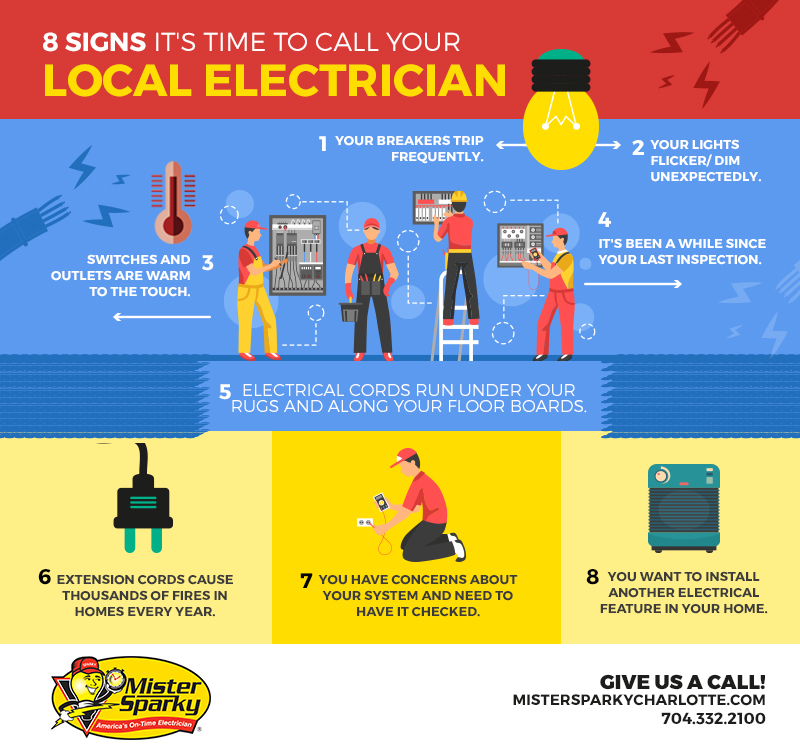
- Frequent circuit breaker trips
Circuit breakers protect your system by cutting power during overloads or faults. Frequent trips indicate unresolved electrical stress or wiring faults that need experts. Learn more. - Flickering or dimming lights
This can be caused by loose wiring or overloaded circuits. It’s more than an annoyance—it signals possible underlying issues. Details here. - Burning smells or buzzing sounds near outlets or switches
Distinct smells and noises warn of overheating wires or loose connections, posing fire risks. Find out more. - Sparking outlets or switches and warm or discoloured outlet covers
These are signs of faulty or overloaded wiring requiring immediate attention. See warning signs. - Outlets that don’t work or cause appliances to malfunction
Dead or problematic outlets likely stem from wiring issues that impact safety and appliances. Read more.
What may appear minor can escalate into serious hazards like electrical fires or shocks. Staying aware helps you know when to call an electrician before danger develops.
Signs You Need an Electrician
Identifying signs you need an electrician is crucial to safeguard your home:
- Frequent electrical shocks or tingling sensations when touching outlets or switches
This indicates faulty wiring risking serious injury. - Sparking outlets or switches
Loose or damaged wiring causing sparks can ignite fires. - Warm, hot, or discoloured outlets or switches
Overheating wires are a serious hazard. - Lights dimming or flickering, especially with large appliances
Signs of overloaded circuits or wiring issues. - Circuit breakers that frequently trip
Persistent faults require professional inspection. - Burning smells or buzzing sounds near outlets or wiring
Early warnings of overheating and fire risk. - Outlets not working or causing appliance malfunctions
Potential wiring faults needing repair. - Need to upgrade electrical capacity for new appliances
Older homes may require electrical system updates.
Safety advice: Unplug suspect devices, avoid affected circuits, and never attempt complex repairs yourself beyond resetting breakers.
Why Timely Professional Intervention Is Important
Delaying electrical repairs risks:
- Increased fire hazards from overheating or arcing.
- Damage to the entire electrical system, possibly requiring costly replacement.
- Risk of serious personal injury through shocks or arcs.
Professional electricians offer:
- Expert diagnosis beyond visible symptoms. They detect hidden faults unusable or unsafe for homeowners. Learn more.
- Use of specialised tools to test and repair wiring safely and properly.
- Compliance with Australian electrical safety standards, ensuring code adherence.
- Reliable fixes that minimise future risks and maintain system integrity.
Attempting DIY or ignoring problems places your home at serious risk. Licensed electricians provide safe, lasting peace of mind.
When to Call an Electrician: Practical Tips
Urgent/Emergency Situations — Call Immediately
If you notice any of the following, seek professional help without delay:
- Sparking outlets or switches
- Burning smells near wiring, outlets, or devices
- Electrical shocks or tingling sensations on touch
- Warm, hot, or discoloured outlets or switches
- Frequent circuit breaker trips that won’t reset properly
These represent immediate fire or injury risks; 24/7 emergency electricians can resolve them swiftly. More info.
Routine/Monitor Situations — Schedule a Visit
If issues appear less urgent but persistent, arrange professional inspection soon, notably for older homes:
- Occasional flickering or dimming lights without sparks or smells
- Outlets not working or minor appliance issues, without warmth or sparks
- Planning electrical upgrades for new appliances or renovations
- Rising electricity bills or circuit performance concerns
Important Safety Reminders:
- Never use extension cords or power boards as permanent wiring fixes.
- Avoid DIY upgrades of fuse boxes or electrical panels.
- When unsure, always contact a licensed electrician without delay.
Source: Chamberlin Electric
Conclusion
Knowing the signs you need an electrician—from frequent breaker trips and sparking outlets to burning smells and warm switches—is essential to prevent fires, shocks, and expensive damage.
Ignoring warning signs or attempting DIY fixes escalates hazards. Instead, take timely action by consulting licensed professionals who can ensure your home’s electrical system is safe, reliable, and up to code.
If you ask yourself when to call an electrician, the answer is simple: as soon as you spot warning signs. Qualified electricians possess the knowledge and tools to resolve issues efficiently, offering peace of mind for you and your family.
Stay vigilant, stay safe, and never hesitate to seek expert help when electrical problems arise.
Protect your home from electrical hazards by understanding the signs and acting promptly. For more information on electrical safety and professional services, consult licensed electricians in your area.
Frequently Asked Questions
- What are the most common signs that I need to call an electrician?
- Is it ever safe to try fixing electrical problems myself?
- How quickly should I respond when I notice electrical issues?
- Can outdated electrical panels be hazardous?
What are the most common signs that I need to call an electrician?
The common signs include frequent circuit breaker trips, sparking outlets or switches, burning smells, flickering or dimming lights, warm or discoloured outlets, electrical shocks, and outlets not functioning properly. Immediate action is advised if any of these occur. Source
Is it ever safe to try fixing electrical problems myself?
It is generally unsafe to attempt electrical repairs unless you are a qualified electrician. Incorrect fixes can increase risks of shock, fire, and damage. Limit yourself to basic tasks like resetting breakers, and always seek professional help for any faults. More info
How quickly should I respond when I notice electrical issues?
Urgent problems — sparking, smells, shocks, warm outlets, or frequent breaker trips — require immediate electrician intervention. Less urgent issues should be inspected promptly to prevent escalation. Learn more
Can outdated electrical panels be hazardous?
Yes. Older panels or fuse boxes may not support modern appliance demands and can pose safety risks. Upgrading electrical capacity under professional guidance is important for safety and compliance. Details


